
Conserving historic homes is a vital aspect of cultural preservation, allowing communities to retain architectural heritage, craftsmanship, and identity that might otherwise be lost to modern development. Many historic homes—particularly those in officially designated historic districts or neighborhoods—are often constructed with materials and techniques that are no longer common in modern construction. As a result, they frequently lack readily available replacement parts. Unlike contemporary homes, where prefabricated components can be easily ordered and installed, the elements of historic homes—such as windows, doors, trim, and even roofing materials—are often custom-made or specific to the time and region in which the home was built. This scarcity of compatible parts makes repair, rather than replacement, a core strategy in conservation efforts.
Historic Home Conservation
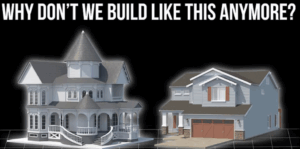 A central principle of historic home conservation is maintaining as much of the original material as possible, both for authenticity and to meet preservation guidelines. One significant area of repair involves the windows, which are not only architecturally important but also key to the building’s character. Rather than replacing entire window units—which may disrupt the visual integrity and reduce historical accuracy—preservationists often choose to restore the original wood-framed windows. These old windows, typically made from high-quality old-growth wood, are designed to be maintained over decades or even centuries.
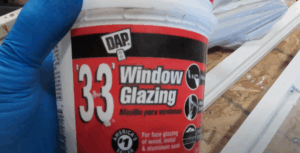
A key material in the maintenance of these windows is window glazing putty. Glazing putty is a malleable compound used to seal glass panes into their wooden frames. It provides a weather-tight seal and helps to secure the pane, preventing rattling or moisture intrusion. Over time, however, glazing putty hardens, cracks, or falls out due to exposure to the elements, necessitating periodic replacement or touch-ups to maintain window integrity. In conservation projects, workers carefully remove the old putty, sometimes using steam or heat to avoid damaging the fragile glass, and then apply fresh putty, allowing it to cure before repainting.
Traditional Methods
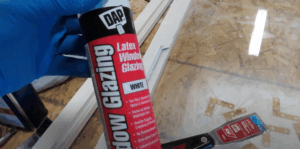 Using traditional glazing putty also helps retain the original appearance and functionality of historic windows. It supports the original single-pane glass, which may include hand-blown or wavy glass—features considered highly valuable from a historical standpoint. In contrast, replacing entire windows with modern, double-pane units often results in the loss of these distinctive characteristics and may disqualify the property from certain historic designations or tax incentives.
Beyond glazing, conservation efforts for historic homes may include structural stabilization, masonry repair using historically accurate mortars, re-roofing with appropriate materials (such as slate or wood shingles), and repainting with historically matched colors. Where parts are missing, custom millwork may be commissioned to replicate original profiles. While such efforts can be labor-intensive and expensive, they are essential for preserving not just the structure, but the craftsmanship, materials, and aesthetic values of the period.
 Ultimately, the conservation of historic homes requires a thoughtful balance between modern needs and historical authenticity. By prioritizing repair over replacement—especially in key areas like windows—and using materials like glazing putty appropriately, preservationists can ensure that these homes remain functional, beautiful, and historically intact for generations to come.

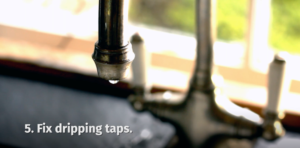 Leaking faucets, toilets, and pipes waste an enormous amount of water. Regularly checking for leaks and repairing them promptly can save thousands of gallons of water annually.
 Many people leave the water running while brushing their teeth, washing dishes, or shaving. Simply turning off the tap while you’re not using water can save gallons over time.
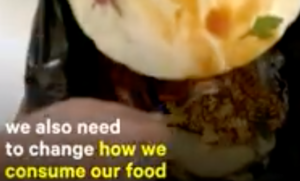 What we eat has a significant impact on conservation, as our food choices influence ecosystems, biodiversity, and the overall health of the planet. The production of food, particularly through industrial agriculture, can lead to deforestation, habitat destruction, and soil degradation, all of which threaten wildlife and disrupt natural cycles. For example, large-scale livestock farming is a major contributor to greenhouse gas emissions, while also driving the conversion of forests into grazing land or cropland, leading to the loss of crucial habitats for countless species. Similarly, the demand for crops like palm oil and soy often results in the destruction of rainforests, which are vital for carbon sequestration and biodiversity.
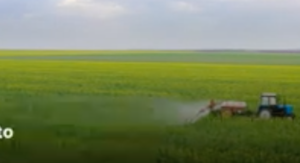 Conversely, making more sustainable food choices—such as reducing meat consumption, choosing locally grown or organic produce, and supporting regenerative farming practices—can help reduce these negative impacts. Making the right choices can start young. Picking the right
  When you look around you, what do you see? Chances are good, you do not see an area of land that is untouched by human hands in some ways. At one time, we lived in a land that was untouched. Animals had more room to roam, grass and trees were abundant, and there were fewer homes, buildings, and concrete. The air was fresher, no one had to think about the water supply, and there were always plenty of hunting opportunities for those who lived off the land. Times have changed and the resources that were once a part of our world have dwindled in most areas. Therefore, conservation efforts were put into action and it is something that we should all respect and take part in whenever it is possible for us to help the world we live in.
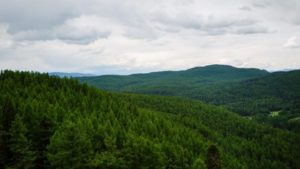 For a moment, think about the stories you may have heard growing up about a wild animal that roamed freely. Untamed by humans and living off the lands that it called home. It may have been an exotic animal or a horse running free through a field. Thanks to humans, those animals are fewer now than they used to be. Humans captured and tamed the horses to help them and many animals killed as our food needs increased. At times, we have animals that came into our area to protect our homes and businesses after taking it from them and pushed them into other areas.
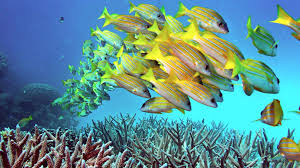 If our government agencies did not take part in the attempt to preserve certain areas for the animals and natural habitats, we would attempt to fill those areas as well. Eventually, we would have a situation where more animals would end up near extinction because they were run out of their homes to make room for ours. More of our worlds natural resources would be used up. Fewer trees would mean more pollution and less fresh air for us to breathe. If there weren’t specific times or limits for when we could hunt certain types of animals, the animals we seek would become extinct. This includes both land animals and fish.